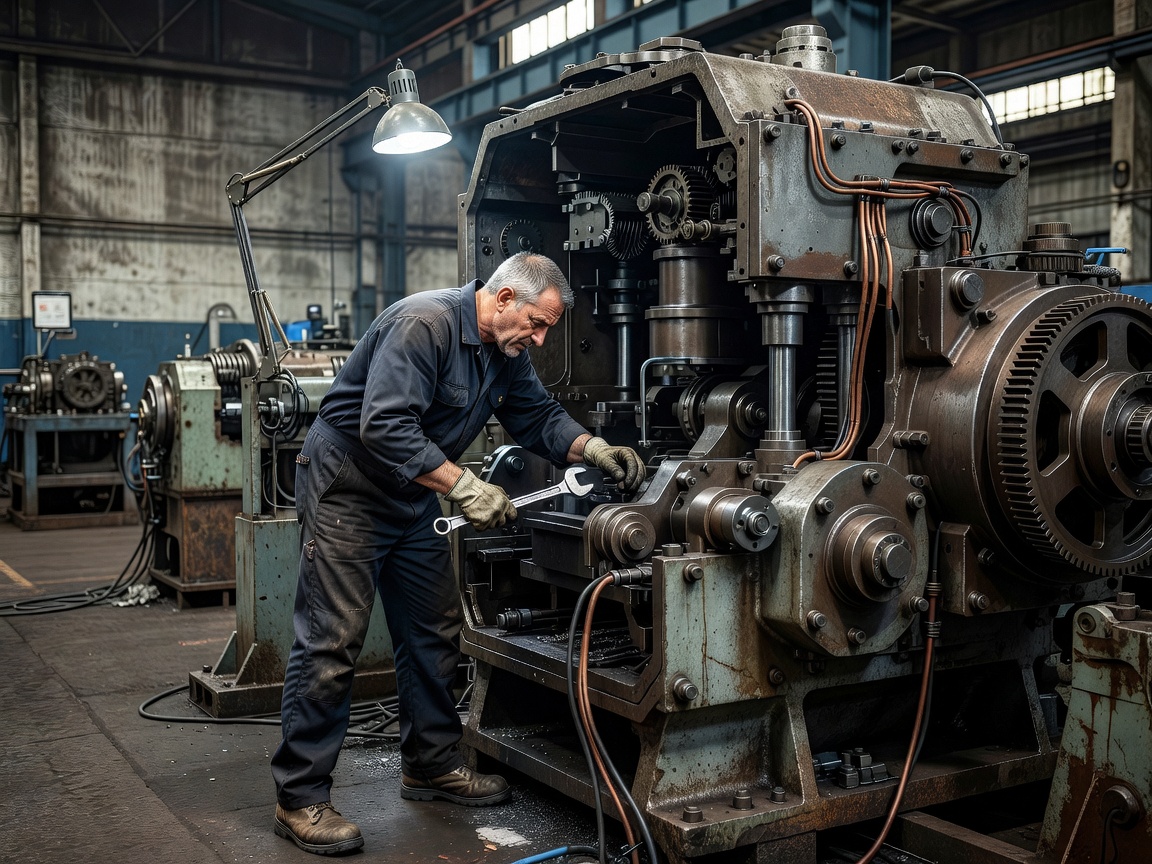
Investing in commercial-grade machinery is a major step for any small business. However, ignoring routine maintenance is the fastest way to turn a profitable asset into a costly liability. Machines require care to maintain their precision, speed, and safety.
Daily Maintenance Routines
At the end of every workday, a few minutes of care can prevent hours of downtime later.
- Cleaning: Wood dust ruins CNC tracks. Soot blocks laser optics. Coffee oils rancidify in espresso machines. A thorough wipe-down and vacuuming should be mandatory daily tasks.
- Visual Inspection: Look for frayed belts, loose screws, or leaking fluids. Catching a loose belt early prevents a ruined product batch.
Weekly Deep Cleaning & Lubrication
Once a week, schedule 30-60 minutes for deeper maintenance tasks.
- Lubrication: Linear rails on CNC routers and 3D printers need proper lubrication (usually white lithium grease or specific machine oil). Dry rails lead to grinding, lost steps, and eventual motor burnout.
- Filter Checks: Check the air filters on your laser engraver and the water filters attached to your espresso machine. Flow restriction causes internal pressure issues.
Monthly & Quarterly Overhauls
These are the tasks that require minor disassembly or professional servicing.
- Tensioning Belts: Rubber belts stretch over time. Re-tensioning them ensures your cuts and prints remain dimensionally accurate.
- Gasket Replacements: Heat degrades rubber. Changing the group head gasket on an espresso machine or the lid gasket on a vacuum sealer every 3-6 months ensures a perfect seal.
- Optics Cleaning: For laser cutters, carefully clean the mirrors and focal lens with isopropyl alcohol and lens wipes. A dirty lens dramatically reduces cutting power and can even crack under heat.
The Cost of Neglect
Skipping maintenance doesn't save time; it merely defers a much larger expense. A well-maintained machine can run flawlessly for a decade, while a neglected one can fail within a year. Create a maintenance log, assign responsibilities to your team, and treat your machines like the vital employees they are.