Desktop 3D Printer (FDM)
Model Focus: Prusa i3 MK3S+ / Original Prusa MK4
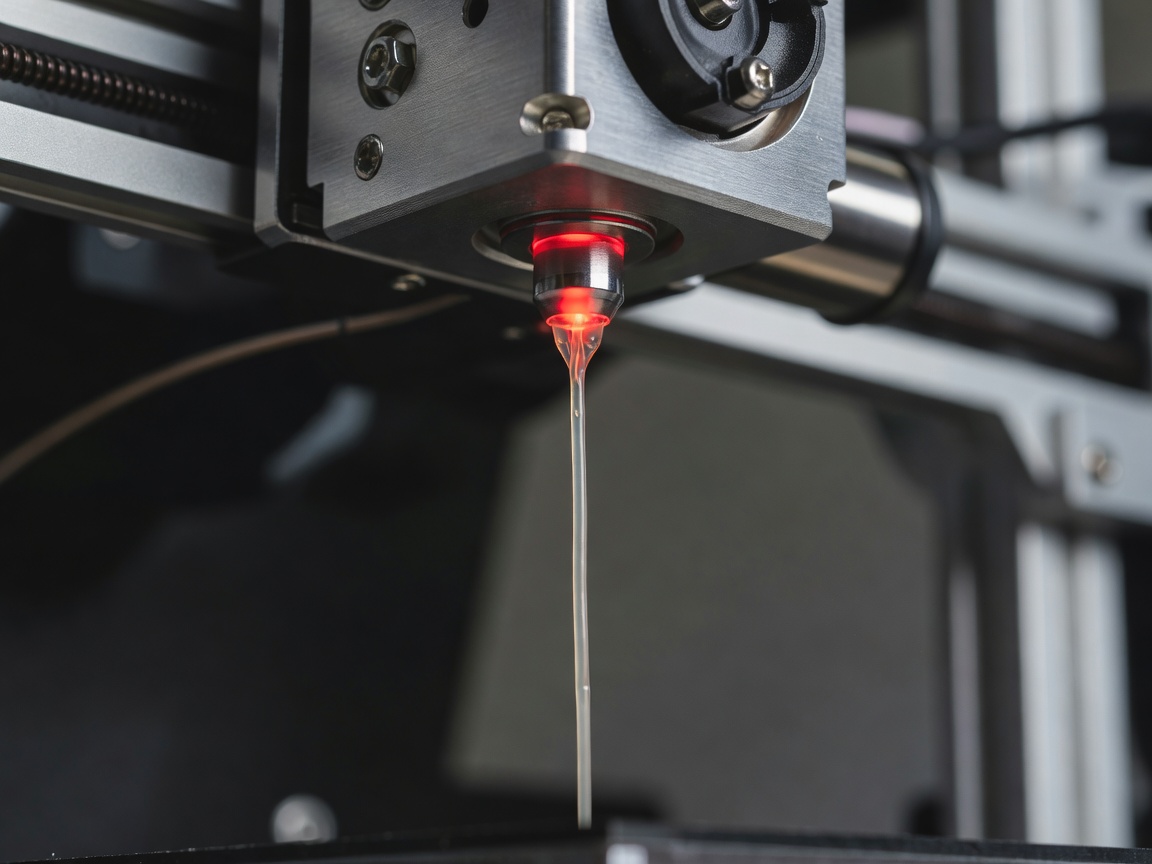
Why Your Business Needs a 3D Printer
For product-based small businesses, engineering firms, or creative studios, a reliable Fused Deposition Modeling (FDM) 3D printer is no longer a novelty; it is a critical piece of infrastructure. Machines like the Original Prusa series have made commercial-grade reliability accessible at a desktop price point.
Instead of waiting weeks and spending thousands on injection-molded prototypes, a 3D printer allows you to iterate designs overnight. Furthermore, many businesses use these machines for "print farm" small-batch manufacturing, creating custom jigs/fixtures for their workshop, or selling bespoke printed items directly to consumers.
Key Features for Business Use
- Auto Bed Leveling: Ensures perfect first layers without manual calibration, reducing failed prints and wasted material.
- Crash Detection & Power Panic: If the power goes out or the nozzle hits an obstacle, the machine pauses and recovers, saving multi-day prints.
- Material Versatility: Can print PLA, PETG, ABS, and flexible filaments (TPU), allowing for both visual prototypes and functional mechanical parts.
Technical Specifications (Prusa MK4)
| Specification | Details |
|---|---|
| Build Volume | 250 x 210 x 220 mm (9.84 x 8.3 x 8.6 in) |
| Layer Height | 0.05 – 0.30 mm |
| Max Hotend Temp | 290 °C / 554 °F |
| Extruder | Nextruder (Direct Drive) |
| Average Cost | ~$1,099 (Assembled) |
Pros
- Incredible community support and open-source parts.
- Extremely reliable for 24/7 print farm operations.
- Low cost of materials (Filament is cheap).
- High resale value compared to budget printers.
Cons
- Steeper learning curve for 3D modeling (CAD).
- FDM layer lines require post-processing for a smooth finish.
- Slower production time compared to traditional manufacturing.